Threatened and significant trees, plants and ecosystems
Redlands Coast is lucky to have a diverse range of environments that provide refuge for some of our threatened and significant plant species and unique habitats. They are at risk from a variety of impacts including:
- human intrusion, disturbance and collection
- vegetation clearing
- degradation and loss of habitat
- weed invasion
- livestock and pest animal damage
- adjacent land use activities (eg increased nutrient run-off and erosion)
- low genetic diversity
- changed fire regimes
- myrtle rust.
Council is committed to protecting and maintaining threatened species. You can help by:
- managing weeds on your property
- recording any sightings on the Atlas of Living Australia
- purchasing plants from reputable sources.
Veteran trees
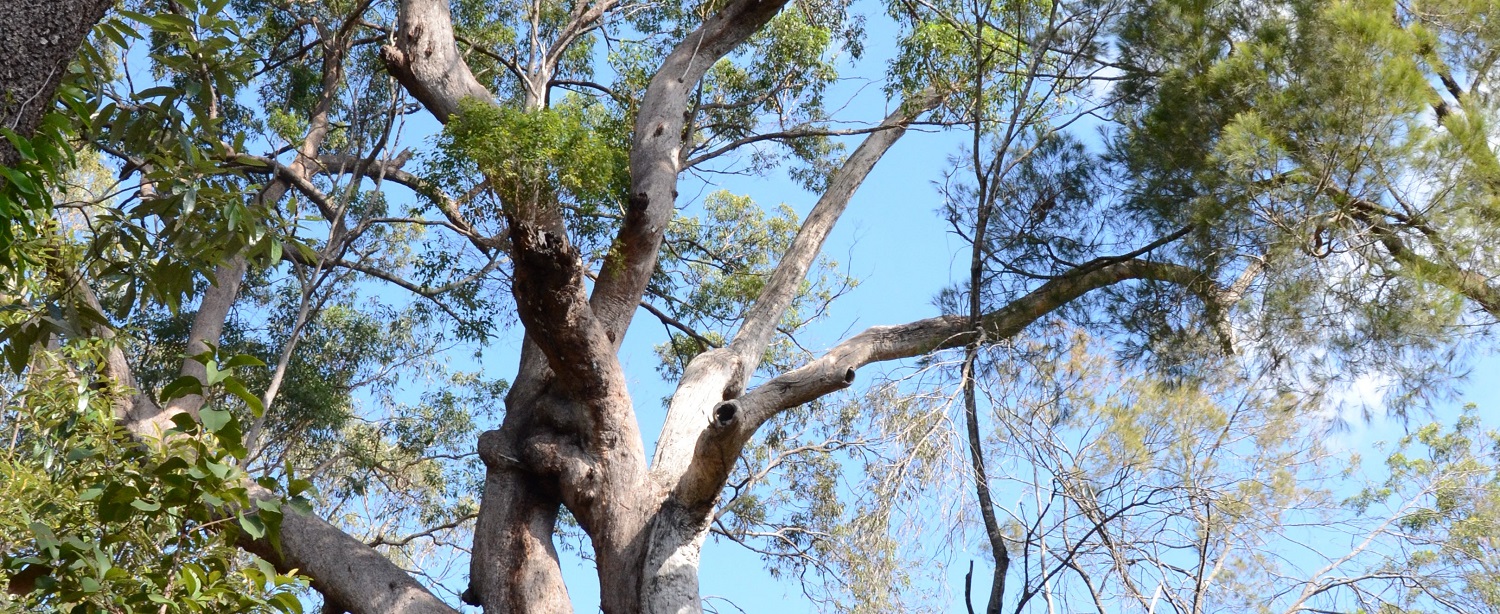
Older trees, also known as veteran trees and stags, form an important part in the Redlands Coast environment and wildlife conservation.
Veteran trees are important because the abundance and size of the hollows are an invaluable breeding habitat for many species of wildlife including birds, reptiles, mammals and amphibians that will generally return each breeding season to use the same hollow.
The Veteran and Significant Trees of the Redlands survey project is a Citizen Science project in partnership with the Redland City Council, Veteran Tree Group Australia and the Atlas of Living Australia. The project aims to identify and map veteran and significant trees in the Redlands Coast mainland and islands. This data will assist in providing options for land and vegetation management, protection and conservation, and community education. To submit a veteran tree sighting visit Atlas of Living Australia.
Threatened plants
Below is a list of Redlands Coast threated plants identified under the Environmental Protection and Biodiversity Conservation Act and the Nature Conservation Act:
Mangroves
Mangroves are a common coastal habitat throughout Moreton Bay and eight species have been recorded here. They can be found all along the mainland coastline, on the islands of Moreton Bay and also on the western side of North Stradbroke Island. Mangroves play a vital role in stabilising and protecting coastal areas and provide habitat for a wide range of species, some of which occur only in the mangroves.
If you live near mangrove wetlands, you may notice a strong rotten egg odour, particularly between May and November. While often mistaken for sewerage, it is actually the result of a natural process when mangroves drop seeds which begin to be broken down by bacteria living in the soil.
Mangrove odours on Redlands Coast Fact Sheet(PDF, 1MB)
To learn more about mangroves, visit the Department of Environment and Science.
Coastal salt marshes
Coastal salt marshes consist mainly of low growing, salt-tolerant vegetation. A range of wildlife, from fish and crabs to migratory shore birds and the threatened water mouse Xeromys myoides rely on these tidal ecosystems for food, shelter and breeding ground.
While coastal salt marshes might appear to be widespread across Redlands Coast, they have been impacted by many threats including mangrove encroachment, excess nutrients from pollution sources and acid sulphate soils.
Littoral rainforest
Littorial rainforests are unique to the east coast of Australia and include mostly rainforest species, with many vines and a variety of wildlife, including rainforest pigeons, snails, ferns, orchids, geckoes and flying-foxes. These forests occur within 2km of the coast and generally form on old dunes which protect them from the harshest coastal conditions and infrequent fires. Taller rainforest trees will protect the more sensitive understory, where unique plants often grow and can be teeming with animals normally seen in a rainforest. Redlands Coast is lucky to have some littoral rainforest, including Myora Springs on North Stradbroke Island (Minjerribah).
For more information, download the Federal Government Profile Factsheet.